

Working in Austria Guide 2026: Employment, Salary & Benefits
Securing a residence permit settles your right to be in Austria. This working in Austria guide 2026 covers what happens once you’re actually on the job: contracts, pay, leave, and the rules that protect employees here, many of which surprise newcomers used to different systems.
Do You Need a Work Permit?
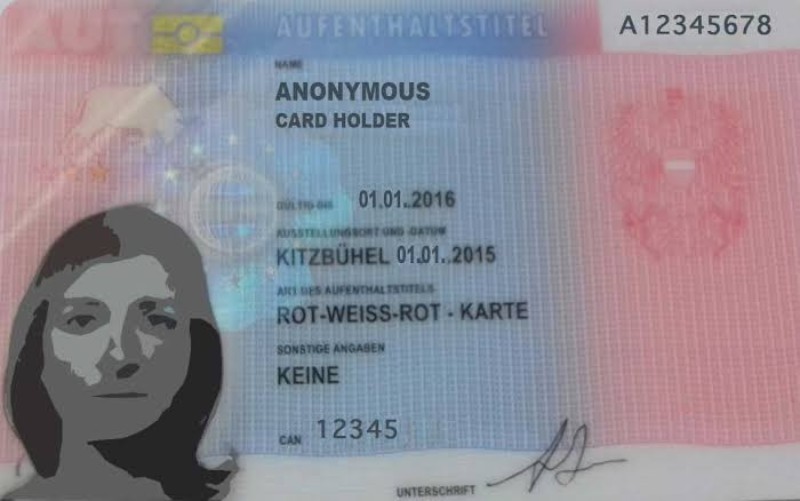
If you’re not an EU, EEA, or Swiss citizen, your right to work is tied directly to your permit type. The Red-White-Red Card and EU Blue Card both grant work rights as part of the permit itself, while some settlement permits explicitly exclude gainful employment. Employers hiring internationally also carry compliance obligations of their own; our guide for foreign employers covers that side in depth.
Employment Contracts and Probation
Austrian employment contracts can be indefinite, fixed-term, full-time, or part-time, and most include a probation period of up to one month, during which either party can end the relationship immediately without formal notice. Around 98 percent of private-sector employees fall under a Kollektivvertrag (collective bargaining agreement), which sets minimum pay, job grading, and other conditions specific to that industry, and in most cases takes precedence over anything less favorable written into an individual contract.
Working Hours and Overtime
The statutory standard is 40 hours a week under the Arbeitszeitgesetz (Working Hours Act), though many collective agreements bring this down to 38.5 hours in practice. Overtime carries a minimum 50 percent pay surcharge, rising higher for work on Sundays, public holidays, or at night, again depending on the applicable collective agreement.
Salary: The 14-Payment System
Austria has no national minimum wage. Instead, minimum pay is set by whichever collective agreement applies to your industry, and around 98 percent of private-sector employees are covered by one. What’s more distinctive is the payment structure itself: most employees receive 14 monthly payments a year rather than 12, with the extra two, Urlaubsgeld (holiday bonus) and Weihnachtsgeld (Christmas bonus), typically paid in June and November. These special payments are taxed differently from regular salary; our Austria tax guide breaks down exactly how that flat 6 percent bonus tax works.

Annual Leave and Public Holidays
Full-time employees are entitled to 25 working days of paid annual leave per year, rising to 30 days after 25 years with the same employer, on top of 13 public holidays. Unused leave can generally be carried forward, though statutory entitlement typically expires two years after the end of the year it accrued in. Employees also receive their holiday pay before the leave period begins, rather than as part of a later regular payment.
Social Security Contributions
Social insurance in Austria covers pension, health, accident, and unemployment insurance, and is split between employer and employee: roughly 18.12 percent of gross salary comes out of the employee’s pay, with the employer contributing separately on top. For 2026, the monthly maximum contribution base is set at €6,930, with an annual ceiling of €13,860 for special payments like the 14th-salary bonus. A useful side detail: below the marginal employment threshold of €551.10 a month, full social insurance doesn’t apply automatically, though this comes with important trade-offs covered next.
Part of that contribution funds your future pension; our retirement in Austria guide explains how those payments turn into eventual retirement benefits.
Unemployment Benefits and the 2026 AMS Changes
Austria’s Public Employment Service (AMS) administers unemployment benefits and job-search support. One meaningful change lands in 2026: previously, someone receiving unemployment benefits could take on “marginal employment” (earning under €551.10/month) without losing eligibility. From 2026, that option becomes tightly restricted to exceptional cases only, meaning anyone in that situation generally needs to end marginal employment by the end of January 2026 to retain their unemployment benefits. Anyone currently combining part-time or marginal work with AMS support should check their specific situation carefully against this year’s rule change.

New Protections for Freelancers in 2026
A notable reform takes effect for contracts signed from January 1, 2026: freelance workers can now be brought under the scope of collective bargaining agreements when specifically included, giving them access to protections previously reserved for standard employees, such as guaranteed minimum pay and vacation entitlements. The change targets roughly 14,000 self-employed workers in Austria who function much like employees without holding equivalent legal protections. Existing freelance contracts signed before 2026 aren’t affected by the change.
Losing or Leaving a Job
Notice periods depend heavily on the applicable collective agreement or individual contract rather than a single fixed statutory rule, so the specifics vary meaningfully by industry and role. Termination protections and required procedures also differ based on contract type and length of service, making it worth checking the relevant collective agreement directly rather than assuming a generic notice period applies.
Frequently Asked Questions
Is there a minimum wage in Austria?
No national minimum wage exists. Pay minimums come from the collective agreement covering your specific industry, which applies to around 98 percent of private-sector jobs.
Why do I get paid 14 times a year instead of 12?
Most Austrian employment contracts and collective agreements include two extra bonus payments, typically in June and November, taxed at a lower flat rate than regular salary.
Can I collect unemployment benefits while doing small side jobs?
Only in limited exceptional cases from 2026 onward; the previous flexibility around marginal employment under €551.10/month has been significantly restricted.
Do freelancers get the same protections as employees?
Increasingly, yes, for contracts signed from 2026, if the relevant collective agreement specifically extends coverage to freelance workers in that field.
For definitive, current employment rules, consult Austria’s Public Employment Service (AMS), since collective agreement terms and contribution figures adjust regularly.