


Russia Closes German Consulate in St. Petersburg in Retaliatory Escalation
The Russian Foreign Ministry announced on Monday, September 7, 2026, that it is forcing the immediate shutdown of the German Consulate-General in St. Petersburg. The directive represents a sharp escalation in an accelerating tit-for-tat diplomatic expulsion cycle triggered by German allegations of Russian state-sponsored sabotage inside NATO territory.
Under diplomatic notes delivered to Germany’s chargé d’affaires in Moscow, the Consulate-General in St. Petersburg must cease all operations by September 18, with all assigned consular personnel required to leave Russian territory by the same date.
The move follows Russia’s parallel order forcing all Goethe-Institut cultural branches in Moscow, St. Petersburg, and Yekaterinburg to terminate their activities, with staff instructed to depart by September 13.
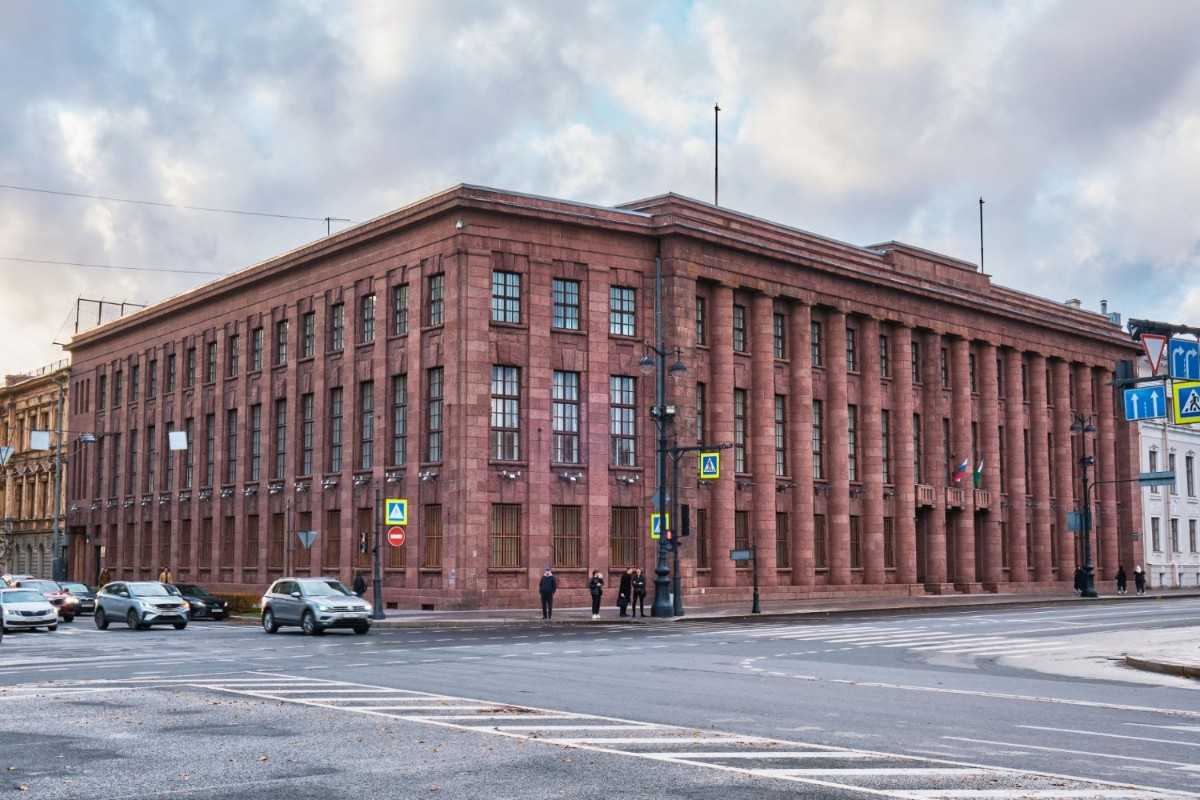
Moscow Blames Berlin for Bilateral Rupture
In an official statement released Monday, Moscow framed the closures as unavoidable counter-measures responding to hostile political decisions made by the German government.
“It was the German authorities who, once again, provoked a new round of escalation in bilateral relations,” the Russian Foreign Ministry stated. “The German government bears full and complete responsibility for the consequences.”
Russian Foreign Minister Sergey Lavrov initially signaled the cultural shutdowns during the Eastern Economic Forum in Vladivostok, arguing that allowing German institutions to remain open following actions against Russian missions would demonstrate a lack of “self-respect.”
Timeline of the Diplomatic Fallout
The rapid breakdown in diplomatic channels stems from a serious security incident at a primary European logistical node supporting Ukraine:
- August 4–5, 2026: German security authorities discovered a drone carrying high explosives and a remote detonator near a Ukrainian An-124 cargo aircraft at Leipzig/Halle Airport. Operations at the strategic transport hub were temporarily halted while bomb disposal units defused the device. A second explosive-laden drone was recovered nearby on August 25.
- September 2, 2026: German Interior Minister Alexander Dobrindt and Foreign Minister Johann Wadephul formally attributed the attempted sabotage to Russian intelligence services, identifying the incident as part of broader hybrid warfare operations across Europe. Berlin responded by ordering the closure of the Russian Consulate-General in Bonn by September 18 and revoking the operational agreement for the Russian House cultural center in Berlin.
- September 3–4, 2026: Speaking in Vladivostok, Russian Minister Sergey Lavrov announced the retaliatory closure of all Goethe-Institut centers across Russia.
- September 7, 2026: Russia formalized the eviction of the German Consulate-General in St. Petersburg.
Throughout the dispute, Russian officials have rejected all allegations regarding the Leipzig drone plot. Russian President Vladimir Putin dismissed the findings as a “fabricated provocation” and an “absurd fabrication” intended to divert domestic political attention.
The diplomatic standoff coincides with wider European security shifts, including discussions surrounding the EU Group of Five migrant return hubs plan and domestic legal structures outlined in our 2026 Austria residence permit rules.