


The Complete Cost of Living in Austria: A 2026 Guide for Expats and Newcomers
Austria consistently ranks among Europe’s most livable countries, but “livable” and “cheap” aren’t the same thing. Vienna alone has topped global quality-of-life rankings for years, and that quality comes with a price tag that catches many newcomers off guard. Here’s a realistic, comprehensive breakdown of what living in Austria actually costs in 2026, from rent to groceries to the one-time expenses nobody warns you about.
The headline number
According to 2026 data, a single person living in Austria spends between roughly €1,330 and €2,023 per month depending on lifestyle and whether rent is included in the calculation, with couples typically budgeting around €2,856 and a family of four closer to €3,986. Vienna sits consistently at the top of the national price range, while smaller cities and rural areas run 20 to 40 percent cheaper.
For context: Austria is measurably more expensive than most Eastern European capitals, but notably cheaper than Zurich, Munich, or London. It occupies what one relocation guide accurately calls a “pricey but not insane” position in the European cost hierarchy.
Housing: your single biggest expense
Rent will consume more of your budget than anything else, often 30 to 50 percent of net income in Vienna specifically. A one-bedroom apartment in Vienna’s city center typically runs €900 to €1,100 per month, dropping to €550 to €800 outside the center. Nationally, the average studio costs around €930 a month, rising to roughly €1,000 in Vienna itself. Innsbruck and Salzburg often run even pricier than Vienna for comparable space, driven by limited housing supply and heavy demand from tourists and students. For the policy and affordability side of this picture, our deep dive into Austria’s housing crisis covers why rents have climbed so steeply and what policymakers are doing about it.
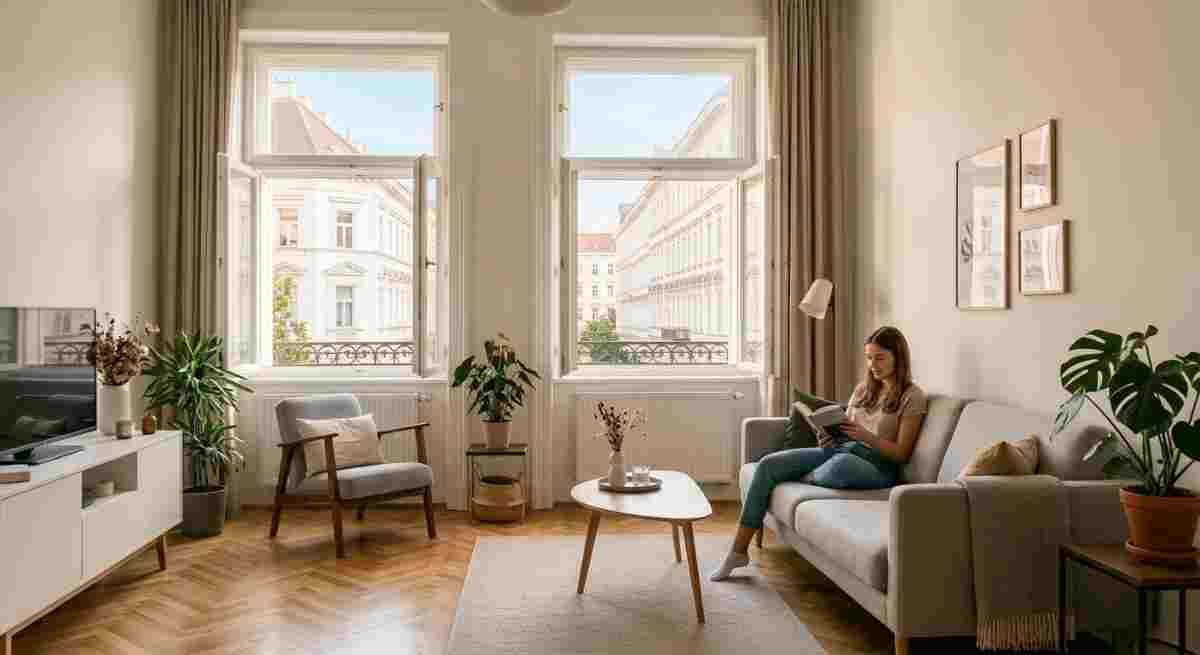
Beyond the sticker price on rent, budget for costs that catch first-time renters off guard: a security deposit (Kaution) equivalent to two to three months’ rent, refundable at the end of the lease if the property is in good condition, plus potential agency fees of up to one month’s rent, though recent reforms have begun tightening these practices. On top of base rent, expect Betriebskosten (building operating costs), typically averaging €165 a month, covering building maintenance, elevator upkeep, and waste disposal, usually itemized separately from the rent itself.
If you’re still navigating the paperwork side of moving to Austria, it’s worth reading our guide on getting a residence permit in Austria before signing a lease, since your permit status and proof of accommodation are often interlinked requirements.
Utilities and connectivity
Monthly utilities for a typical 60-80 square meter apartment run €150 to €250, covering electricity, heating, water, and waste collection. Many older Vienna apartments use district heating (Fernwärme), which tends to be efficient and reasonably priced compared to individual heating systems. Internet costs €20 to €40 monthly, and mobile plans range from around €5 for basic prepaid service up to €30 for an unlimited data contract.
Groceries and eating out
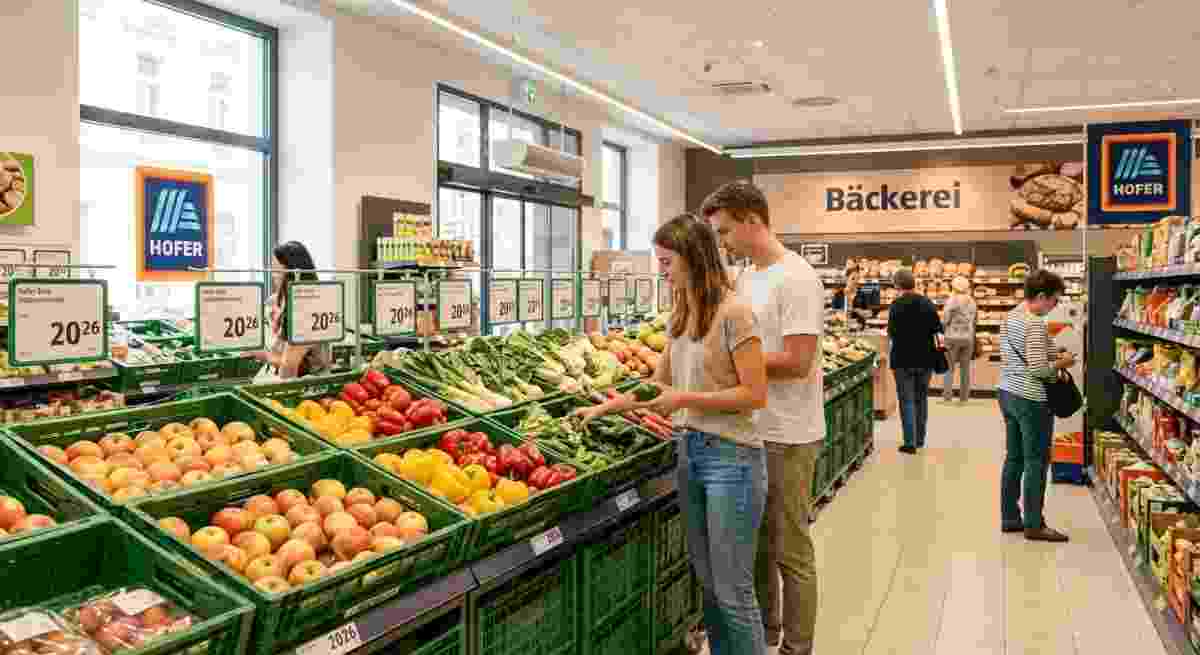
Budget roughly €280 to €355 per month for groceries as a single person, or €50 to €80 weekly. Shopping at local markets and discount supermarket chains (Hofer, Lidl, Penny) can meaningfully undercut full-price grocery stores, often by 20 to 40 percent on fresh produce specifically. Eating out runs comparably to major US or Western European cities rather than cheaper: a sit-down lunch typically costs €12 to €18, and a casual dinner out for two easily runs €50 or more.
Getting around
Public transport is one of Austria’s genuine bargains. Vienna’s annual transit pass (Jahreskarte) costs €461 for standard riders or €294 for those under 26, working out to well under €40 a month for essentially unlimited travel across the city’s extensive tram, bus, and U-Bahn network. Compare that to car ownership, insurance, fuel, and parking, and public transport is the clear financial winner for most urban residents, alongside walking or cycling for shorter trips.
Healthcare costs
If you’re employed in Austria, health insurance is typically deducted automatically from your paycheck and covered largely by mandatory statutory insurance, meaning it doesn’t show up as a separate line item most people budget for directly. If you’re self-employed, unemployed, or otherwise self-insuring, budget more significantly, and it’s worth reading our complete guide to Austria’s health insurance system for the specific contribution rates and what’s actually covered.
Taxes and take-home pay
Austria’s average gross salary sits around €31,400 to €39,360 annually depending on the source and year measured, but what actually lands in your bank account depends heavily on Austria’s progressive tax bands. Our guide to Austria’s tax system for foreign entrepreneurs breaks down the specific brackets, but as a rough planning figure, expect roughly 30 to 40 percent of gross income to go toward taxes and social contributions for a typical mid-income earner, higher for top earners given Austria’s steeply progressive structure.
The one-time costs nobody mentions
Beyond monthly recurring expenses, budget €500 to €2,000 for costs concentrated in your first few months: visa and residence permit fees, an initial rent deposit plus first month’s rent, furnishing an unfurnished apartment (common in Austria, unlike many other countries), a tax adviser if your situation is complex, and language courses if you’re not yet fluent in German. This upfront cost cluster is one of the most commonly underestimated parts of relocating to Austria.

Regional cost differences: Vienna isn’t Austria
One of the most important things to understand about Austria’s cost of living is how much it varies by region. Vienna, Salzburg, and Innsbruck sit at the top of the price range, driven respectively by capital-city demand, tourism, and limited mountain-valley housing supply. Graz, Linz, and most of Austria’s smaller cities and rural areas run 20 to 40 percent cheaper across nearly every category, rent especially. If your work allows remote flexibility or you’re not tied to Vienna specifically for professional reasons, this regional gap is worth serious consideration before committing to a city.
Practical ways to reduce your costs
A few genuinely effective strategies recur across every cost-of-living guide for Austria:
- Live outside the city center or in a smaller city entirely. The rent difference between central Vienna and its suburbs, or between Vienna and Graz, is often the single largest lever you can pull.
- Share housing. Renting a private room in a shared apartment (WG, Wohngemeinschaft) is common practice in Austria, even among working professionals, not just students, and splits rent and utility costs meaningfully.
- Use public transport instead of owning a car. Between the annual Jahreskarte’s low cost and Austria’s genuinely reliable rail and tram network, car ownership rarely makes financial sense for city-based residents.
- Shop at discount supermarkets and local markets rather than defaulting to convenience stores or premium grocery chains.
- Cook at home regularly. Eating in versus dining out saves an estimated 60 to 70 percent on food costs over time.
- Buy used furniture and household items through thrift stores, online marketplaces, or local Facebook groups, especially relevant given how many Austrian rentals come unfurnished.
The bottom line
Austria isn’t a budget destination, but it also isn’t the most expensive option in Western Europe. For most newcomers, particularly those working in fields like engineering, IT, or specialized industry where Austrian salaries are genuinely competitive, the combination of higher costs and higher pay nets out favorably, especially when weighed against Austria’s public healthcare, transportation infrastructure, and overall quality of life. The real budgeting risk isn’t Austria being expensive in the abstract, it’s underestimating the concentrated upfront costs of the first few months and defaulting to Vienna without seriously weighing whether a smaller Austrian city might better fit your actual budget and lifestyle.