


Grossglockner Mountain: Austria’s Highest Peak, History, Height, and Travel Guide
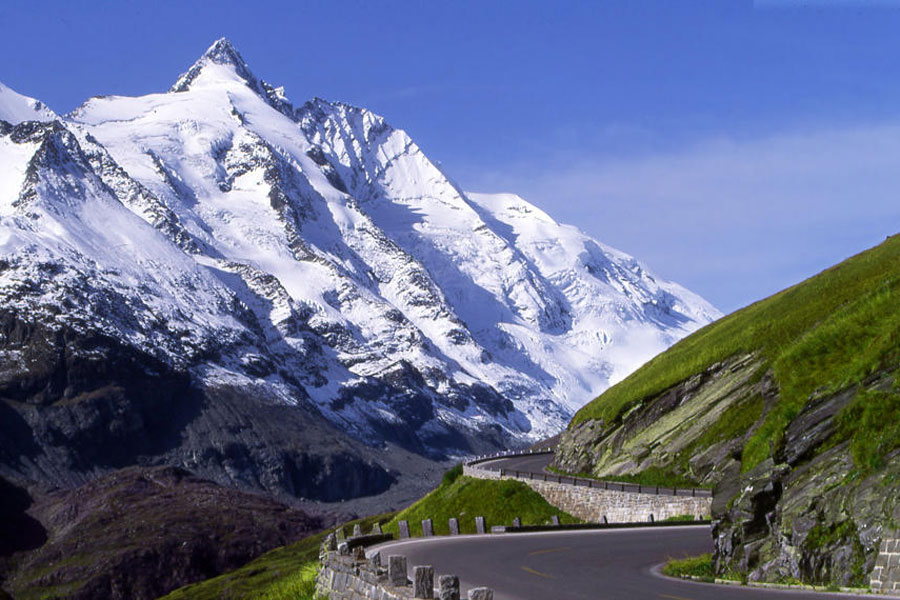
Grossglockner Mountain is the highest and most iconic peak in Austria, standing tall at 3,798 meters (12,461 feet) above sea level. Located in the Hohe Tauern National Park, Grossglockner is not only a geographical landmark but also a symbol of Austria’s alpine heritage. Known for its dramatic glaciers, sharp ridges, and breathtaking views, the mountain attracts climbers, tourists, and nature lovers from around the world.
Location and Geography
Grossglockner is situated on the border of the Austrian states of Carinthia and Tyrol. It dominates the Glockner Group of the Central Eastern Alps and is surrounded by glaciers, including the famous Pasterze Glacier, the largest glacier in Austria.
The mountain’s pyramid-like shape and snow-covered summit make it one of the most photographed peaks in the Austrian Alps.
Height and Physical Features
- Elevation: 3,798 meters
- Prominence: 2,428 meters
- Mountain Range: Central Eastern Alps
- Coordinates: Hohe Tauern region
The steep slopes and icy terrain make Grossglockner a technically demanding mountain, especially for beginners.
History and First Ascent
The first successful ascent of Grossglockner took place in 1800, led by an expedition organized by Prince-Bishop Franz Xaver von Salm-Reifferscheidt. This historic climb marked a major milestone in Alpine exploration and helped establish Austria as a key destination for mountaineering.
Since then, Grossglockner has become a training ground for professional climbers and alpine guides.
Climbing and Mountaineering
Grossglockner is considered one of the most accessible high alpine climbs in Europe for experienced mountaineers.
Popular Climbing Routes:
- Normal Route (via Erzherzog-Johann-Hütte) – Most commonly used
- Stüdlgrat Ridge – More technical and challenging
Climbing season typically runs from June to September, depending on snow and weather conditions. Guided climbs are strongly recommended due to glacier crossings and crevasse risks.
Weather and Best Time to Visit
The weather on Grossglockner can change rapidly.
- Best time to visit: June to September
- Winter temperatures: Can drop below -20°C
- Summer temperatures at summit: Often below freezing
Clear mornings are ideal, as clouds and storms usually develop later in the day.
Tourism and the Grossglockner High Alpine Road
One of the biggest attractions near the mountain is the Grossglockner High Alpine Road, one of Europe’s most scenic mountain roads. It offers stunning viewpoints, visitor centers, and easy access for tourists who may not climb the mountain.
Each year, over one million visitors travel this road to experience panoramic alpine views.
Environmental Importance
Grossglockner lies within Hohe Tauern National Park, Austria’s largest protected area. The region is home to:
- Alpine ibex
- Golden eagles
- Rare alpine flowers
However, climate change has significantly affected glaciers around Grossglockner, particularly the Pasterze Glacier, which has been retreating rapidly in recent decades.
Why Grossglockner Is Famous
- Highest mountain in Austria
- Historic alpine climbing destination
- Spectacular glaciers and landscapes
- Major tourist attraction
- Symbol of Austrian natural heritage
Grossglockner represents both the beauty and vulnerability of the Alpine environment.