


Empress Elisabeth of Austria: The Untold Life, Tragedy & Legacy of Sisi
Empress Elisabeth of Austria, affectionately known as “Sisi,” remains one of the most fascinating and misunderstood royal figures in European history. Popular films and romantic legends portray her as a fairy-tale princess beautiful, gentle, and eternally graceful. But behind this idealized image was a deeply complex woman who struggled with rigid royal expectations, personal tragedy, mental health challenges, and a lifelong search for freedom.
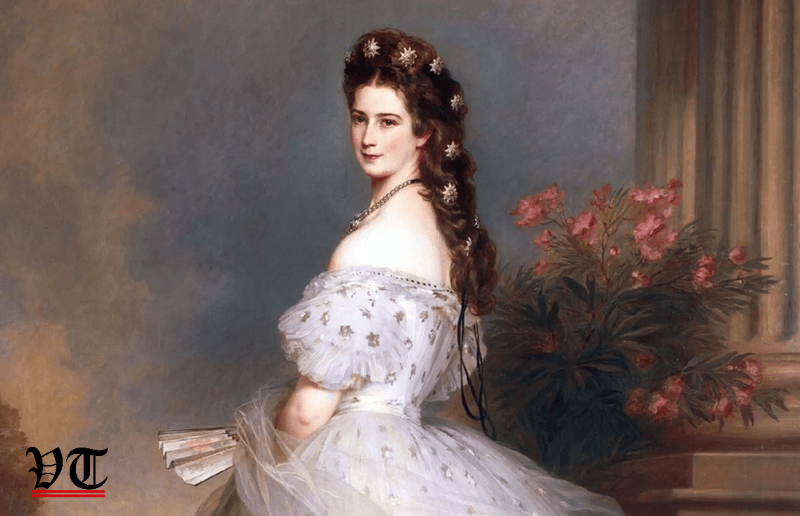
This is the untold story of Empress Elisabeth of Austria not the cinematic myth, but the real woman behind the crown.
Early Life: A Free Spirit Born into Nobility
Elisabeth Amalie Eugenie was born on December 24, 1837, in Munich, Bavaria, into the royal House of Wittelsbach. She was the fourth child of Duke Maximilian Joseph and Princess Ludovika of Bavaria. Unlike many royal children of the 19th century, Elisabeth enjoyed an unusually free and informal upbringing.
Raised largely in the countryside near Lake Starnberg, Elisabeth grew up riding horses, hiking in nature, and writing poetry. Formal education and court etiquette were not heavily emphasized, which allowed her to develop a strong sense of independence and imagination. This carefree childhood shaped her personality—but it also left her unprepared for the harsh realities of imperial court life that awaited her.
An Unexpected Empress: Marriage to Emperor Franz Joseph
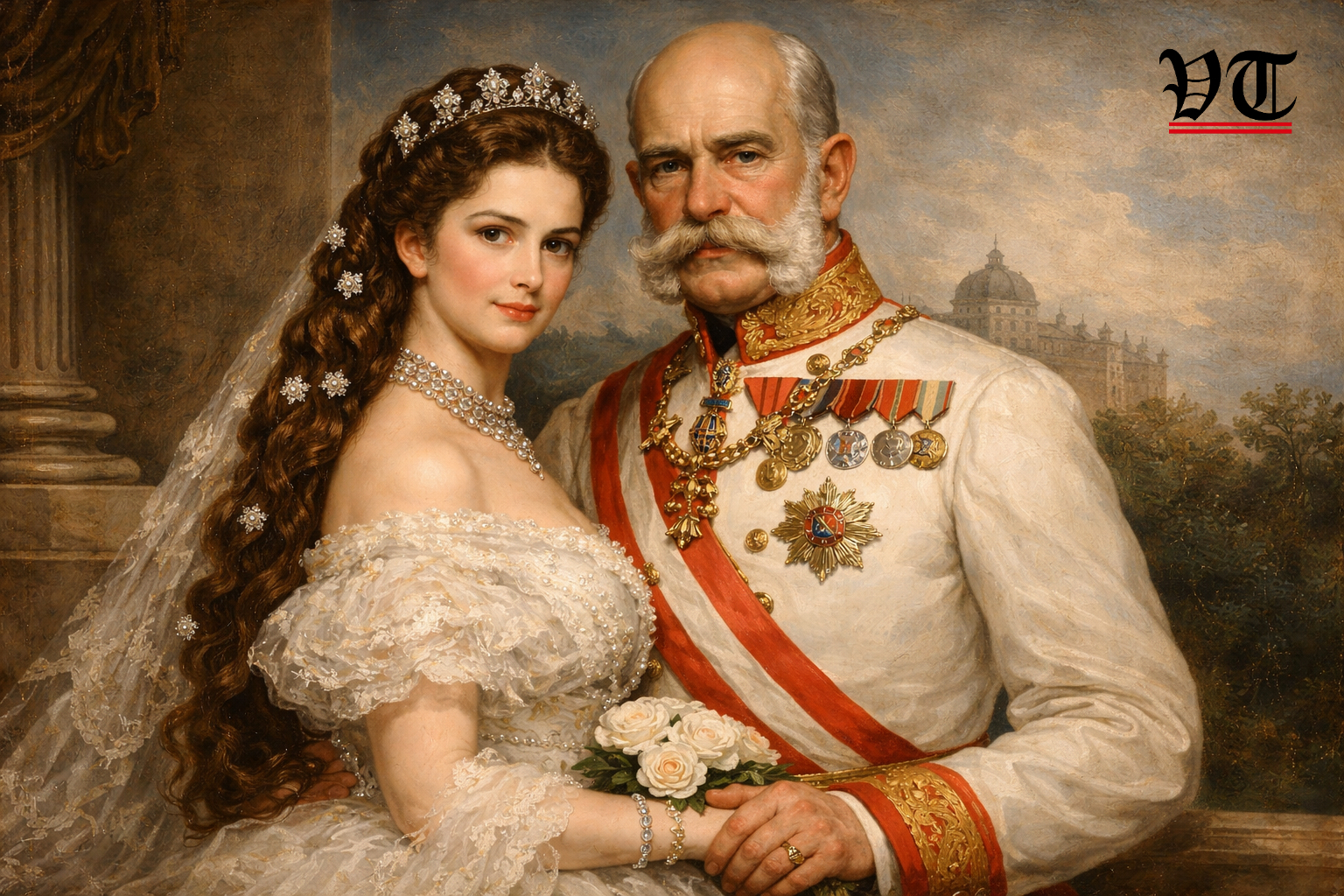
Elisabeth’s life changed dramatically at the age of 16. In 1853, she accompanied her mother and older sister Helene to the Austrian spa town of Bad Ischl. The trip was meant to arrange a marriage between Helene and Emperor Franz Joseph I of Austria. Instead, the emperor fell instantly in love with Elisabeth.
Against political expectations, Franz Joseph insisted on marrying Elisabeth, and the two were wed in 1854. Overnight, the shy Bavarian teenager became Empress of Austria, one of the most powerful and scrutinized positions in Europe.
But the fairy tale quickly faded.
Life at the Habsburg Court: A Golden Cage
The Viennese Habsburg court was infamous for its strict protocols, suffocating traditions, and obsession with hierarchy. Elisabeth, who valued freedom and emotional expression, found the environment unbearable.
Her greatest adversary was her mother-in-law, Archduchess Sophie, who believed Elisabeth was too young and immature to fulfill her duties. Sophie effectively took control of Elisabeth’s household—and even her children. Elisabeth was denied authority over the upbringing of her own daughters, which caused deep emotional pain.
Feeling isolated, judged, and powerless, Elisabeth began to withdraw from court life. She suffered from anxiety, depression, and what modern historians believe may have been eating disorders conditions rarely discussed or understood in the 19th century.
Beauty as Control: The Obsession That Defined Her Image
Empress Elisabeth of Austria became legendary for her beauty. She was considered one of the most beautiful women of her era, admired across Europe. But her beauty was not effortless it was the result of extreme discipline.
She maintained an impossibly slim waist (reportedly around 16–18 inches), followed strict diets, and exercised obsessively through gymnastics, fencing, and long walks. Her hair, which reached her ankles, required hours of care daily and became a symbol of her identity.
While the world admired her appearance, Elisabeth used beauty as a form of control in a life where she had very little. Over time, maintaining her image became both a refuge and a prison.
A Restless Soul: Travel and Escape
Unable to tolerate the Viennese court, Elisabeth began to travel constantly. She spent long periods in Hungary, Italy, Switzerland, Greece, and England, often avoiding Vienna altogether. Travel became her escape from imperial duties and emotional suffocation.
She developed a deep affection for Hungary, learned the Hungarian language, and formed close friendships with Hungarian nobles. Her influence played a key role in the Austro-Hungarian Compromise of 1867, which transformed the Austrian Empire into the Dual Monarchy of Austria-Hungary.
To Hungarians, Elisabeth was not just an empress she was a symbol of empathy and respect. She was crowned Queen of Hungary, a title she cherished far more than her Austrian role.
Motherhood and Tragedy
Elisabeth gave birth to four children, but motherhood brought her more sorrow than joy. Two of her children died young, including her first daughter Sophie, who passed away during a trip to Hungary a loss that devastated Elisabeth and deepened her emotional withdrawal.
The greatest tragedy came in 1889 with the death of her only son, Crown Prince Rudolf, in the infamous Mayerling incident. Rudolf was found dead alongside his lover in what was officially declared a murder-suicide, though controversy remains.
Rudolf’s death shattered Elisabeth completely. She dressed exclusively in black for the rest of her life, avoided public appearances, and became increasingly reclusive. From this point on, she lived more like a wandering ghost than an empress.
Poetry, Philosophy, and Inner Darkness
Few people know that Empress Elisabeth was an avid writer. She wrote melancholic poetry inspired by Heinrich Heine, often reflecting themes of death, freedom, and despair. Her writings reveal a deeply introspective and troubled mind.
She rejected traditional religion, questioned the purpose of monarchy, and expressed a profound sense of alienation from society. Elisabeth no longer believed in the role she was born into, yet she could not escape it.
Her inner world was far removed from the glamorous image celebrated by the public.
The Assassination of Empress Elisabeth of Austria
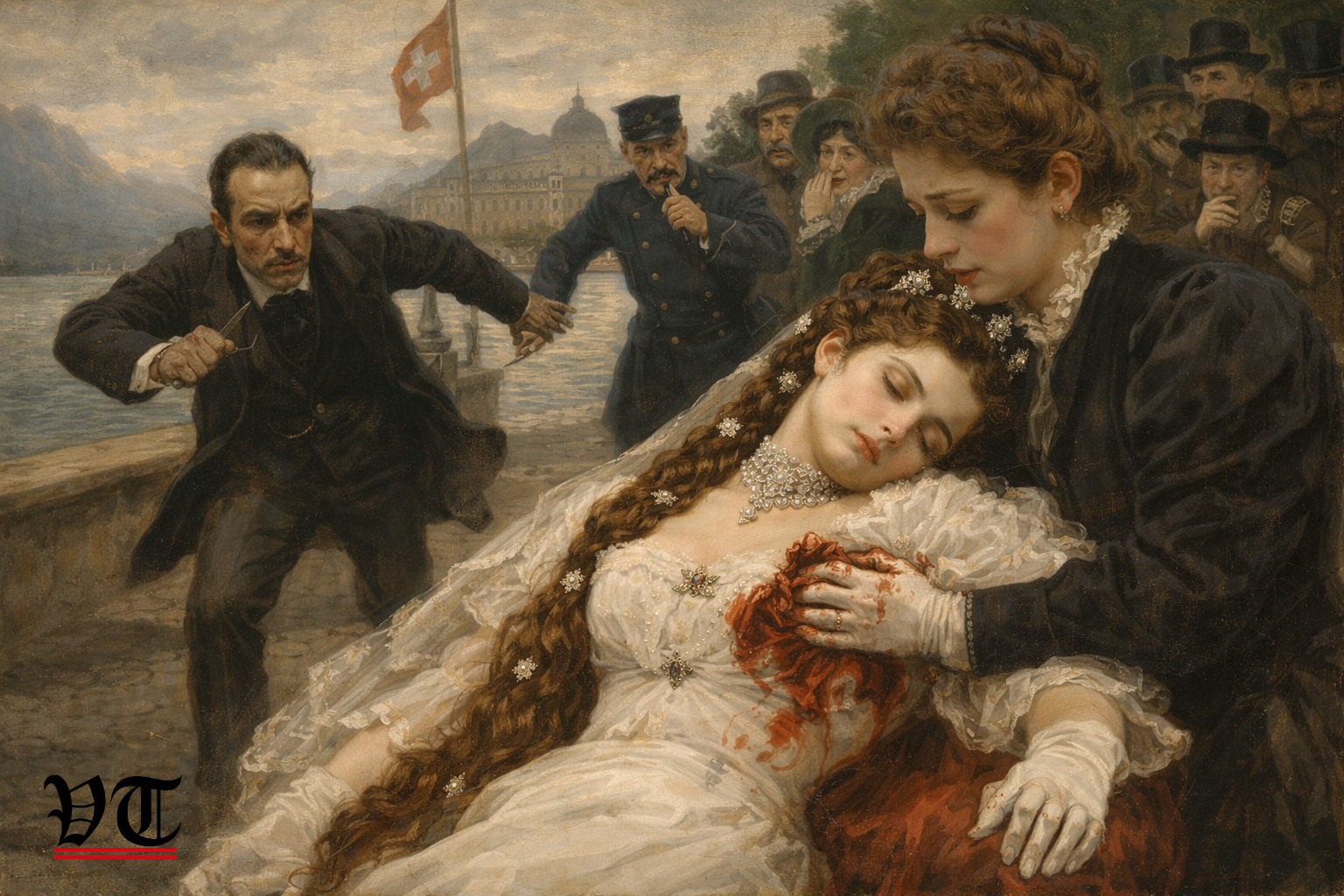
On September 10, 1898, Elisabeth was traveling incognito in Geneva, Switzerland, under the simple title “Countess of Hohenems.” She refused bodyguards, believing herself insignificant and wishing to live anonymously.
That afternoon, she was attacked by Luigi Lucheni, an Italian anarchist who intended to assassinate any royal figure he could find. Using a sharpened file, he stabbed Elisabeth in the chest.
At first, she believed she had been punched and even boarded a boat. Only after collapsing did it become clear that the wound was fatal. She died shortly afterward at the age of 60.
The assassination shocked Europe and marked the tragic end of a life filled with beauty, pain, and longing.
Myth vs Reality: The Sisi Legend
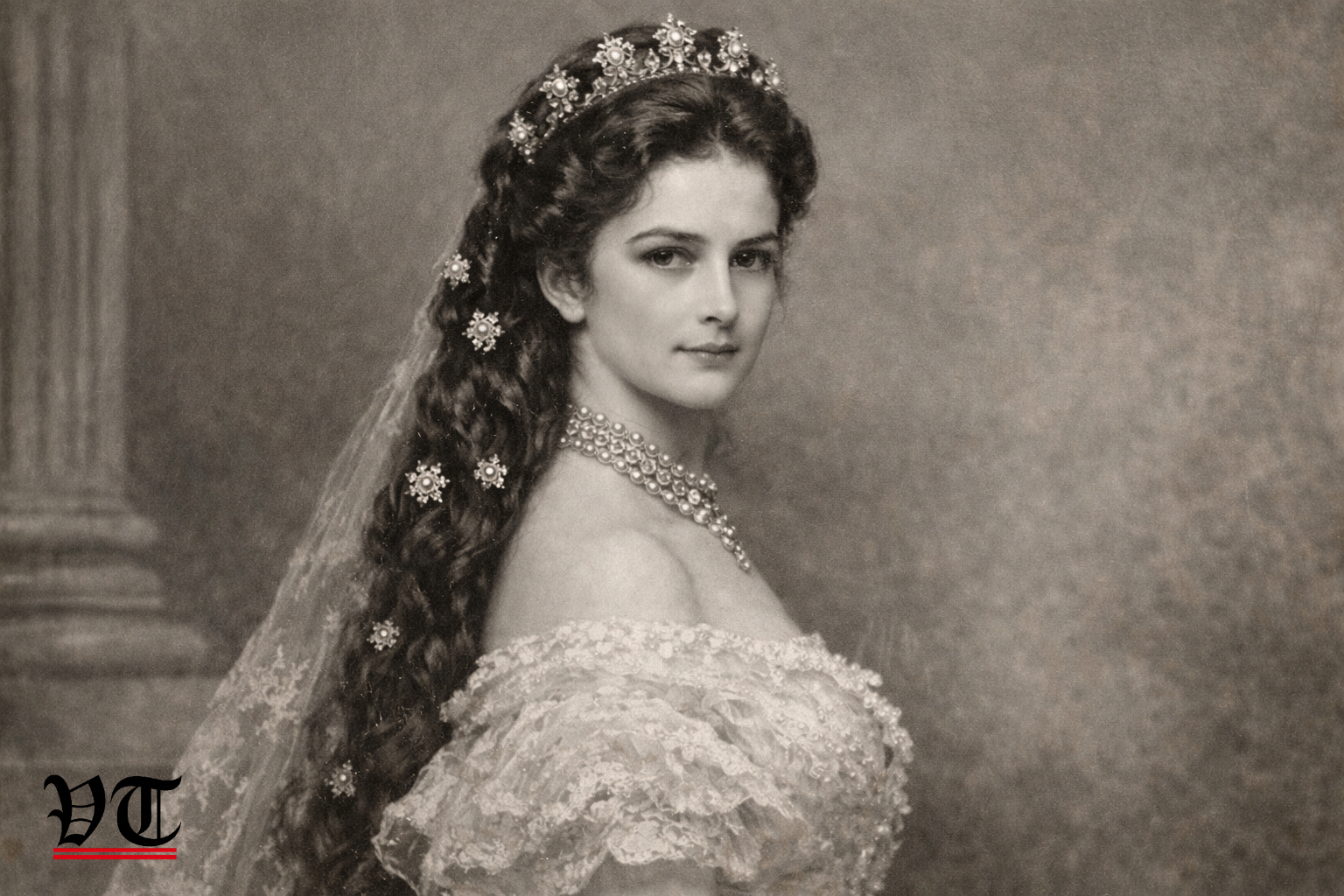
After her death, Elisabeth’s image was heavily romanticized. Films, books, and artworks portrayed her as a dreamy, graceful princess trapped by fate. The famous “Sissi” film trilogy of the 1950s cemented this fairy-tale version in popular culture.
In reality, Empress Elisabeth of Austria was:
- Emotionally complex and rebellious
- Critical of monarchy and court life
- Deeply affected by loss and mental illness
- A woman far ahead of her time in her desire for autonomy
She was not merely a passive victim but a quiet revolutionary who resisted the role imposed upon her.
The Legacy of Empress Elisabeth of Austria
Today, Elisabeth remains a cultural icon across Austria, Hungary, and Germany. Museums, monuments, poems, and portraits keep her memory alive. She symbolizes the conflict between individual freedom and institutional power, a theme that still resonates in the modern world.
Her life story continues to captivate historians, writers, and readers because it is not just royal history—it is human history.
FAQ SECTION
Who was Empress Elisabeth of Austria?
Empress Elisabeth of Austria, known as Sisi, was the wife of Emperor Franz Joseph I. She was famous for her beauty, independent spirit, and resistance to rigid royal life.
Why was Empress Elisabeth called Sisi?
“Sisi” was a childhood nickname used by her family. It later became popular through films and literature that romanticized her life.
Why did Empress Elisabeth hate court life?
She disliked the strict rules, lack of freedom, and constant control imposed by the Habsburg court, especially by her mother-in-law, Archduchess Sophie.
How did Empress Elisabeth of Austria die?
She was assassinated in 1898 in Geneva by an Italian anarchist, Luigi Lucheni, who stabbed her with a sharpened file.
What was Empress Elisabeth’s role in Hungary?
She strongly supported Hungary and helped influence the Austro-Hungarian Compromise of 1867, becoming Queen of Hungary.
Is the movie “Sissi” historically accurate?
No. The films present a romanticized version of her life and omit her depression, family tragedies, and rebellion against monarchy.