


Austria’s Drought Causes €1 Billion in Agricultural Damage, Insurer Calls It “Historic”
Austria’s ongoing drought has caused roughly €1 billion in agricultural damage so far this year, according to the Österreichische Hagelversicherung, the country’s specialist agricultural insurer, which described the scale of the losses as a “historic drought catastrophe” at a press conference in Vienna on Monday.
The €1 billion figure nearly matches the combined damage total from the previous ten years put together, according to the insurer’s own data. A further €80 million in losses came from frost, hail, storm, and flood damage this year, bringing total 2026 agricultural losses to roughly €1.08 billion.
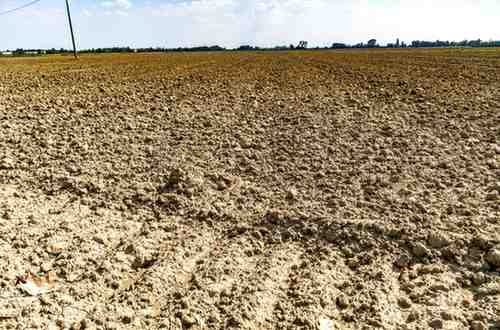
Every crop, every region affected
Hagelversicherung CEO Kurt Weinberger said the drought has touched the entire country and virtually every crop type, with grassland, maize, potatoes, sugar beets, pumpkins, and soybeans hit hardest, and grain affected regionally as well. Average yield losses across affected crops sit around 30 percent, Weinberger said, with grassland taking the heaviest hit at roughly 45 percent.
The underlying numbers behind the damage are stark: some regions have seen more than 75 percent less rainfall than the ten-year average (2016-2025) since June 15, while the country recorded 42 heat days, days above 30°C, by August 10 alone, more than in any comparable period on record.
A pattern accelerating, not slowing
Weinberger was direct about the trend line: events that once occurred roughly once a decade are now happening every two to three years. He pointed to climate change as the clear driver behind the increasing frequency and severity of these losses, and warned that if high temperatures and dry conditions persist through the end of August, the damage total will climb further still.
Potsdam Institute climate researcher Anders Levermann, who joined Weinberger at the press conference, said weather extremes are becoming both more intense and more frequent, and cautioned that next year could prove even worse due to the El Niño climate pattern. He called for unified energy and environmental policy, urging officials to move past ideological divides on the issue.
Insurance coverage, and what happens to uninsured farms
Of the €1 billion total, roughly €400 million is covered by Hagelversicherung’s own drought insurance, meaning insured farms have a legal right to compensation, which Weinberger promised would be paid out quickly. Currently, 80 percent of Austria’s arable land and 40 percent of grassland carries drought insurance coverage.
For farms without coverage, the federal government and individual states are already preparing a relief package, with Agriculture Minister Norbert Totschnig (ÖVP) describing the newly released damage assessment as a “central basis” for that planned assistance.
Connected to the heat records already making headlines
This drought crisis is directly tied to the extreme heat Vienna Times has been tracking this month: the same 41.2°C reading recorded in Bad Deutsch-Altenburg that broke Austria’s all-time temperature record is cited directly in the insurer’s own drought assessment as a defining feature of this year’s crisis.
Vienna Times Perspective
Weinberger raised a further concern beyond this year’s damage total: Austria’s food supply itself, for staples like grain, maize, and oilseed, faces growing risk from the combination of climate change and continued land sealing (paving over agricultural land for development), which he called reckless given how much valuable farmland Austria continues to build over. With consumers likely facing higher food prices as a result of this year’s losses, this drought crisis looks less like an isolated agricultural story and more like the latest entry in a broader pattern of extreme-weather events reshaping daily life and costs across Austria this year.