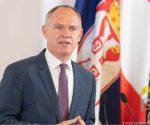


From Statecraft to Strategy: Norbert Hofer’s Corporate Pivot
After nearly three decades as a leading figure of Austria’s Freedom Party (FPÖ), Norbert Hofer is redirecting his professional focus toward the private sector, marking a notable shift from frontline politics to corporate strategy.
Hofer, who came close to the presidency in 2016 and later served as Federal Minister for Infrastructure, has announced new roles outside party leadership while retaining his parliamentary mandate.
New Executive Roles
Hofer is set to take on responsibilities in two Vienna- and Graz-based companies:
- Emerald Horizon AG (Graz): The company says it is developing advanced energy technologies aimed at decentralized, low-carbon power generation. Hofer is expected to support strategic communications, drawing on his background as an aviation engineer and former energy spokesperson.
- Binder Leitl Investment GmbH (Vienna): Hofer has been confirmed as an additional managing director, with the firm focusing on investment projects tied to infrastructure and regional development, including in Southeast Europe.
Company details and timelines were communicated by the firms; regulatory status and technical readiness of the energy projects were not assessed by ViennaTimes.
Political Friction in Burgenland
The move follows months of tension with Burgenland’s red-green state government. Despite leading the FPÖ to its strongest result in the province at the most recent election, Hofer remained in opposition. In public comments, he has expressed frustration with limited room to influence policy from the opposition benches.
Austria’s rules on secondary employment for parliamentary club leaders also factored into the decision, prompting Hofer to prioritize professional opportunities alongside his mandate.
A Partial Exit — Not a Farewell
Hofer says he will retain his seat as an MP, citing his responsibility to voters. He has also left the door open to future national roles, indicating that he would consider a return if asked by the party.
The transition underscores a broader trend of senior politicians moving between public office and private enterprise raising questions about influence, transparency, and the boundaries between politics and business that are likely to follow Hofer’s next chapter.